Home › Asphalt Resurfacing & Overlays
Refresh tired pavement with asphalt resurfacing in Manchester, NH instead of full replacement. We mill, repair, and apply asphalt overlays over sound bases to renew your driveway with a smooth, even surface that improves curb appeal and extends the life of your existing blacktop.
Precision Asphalt Manchester provides professional asphalt resurfacing throughout Manchester, NH, NH and the surrounding area. Our licensed, insured crew delivers safe, clean, on-time work with a free estimate before anything begins. Call (603) 633-5822 or request your free quote.
Asphalt Resurfacing in Manchester, NH: What It Really Involves
Asphalt resurfacing is more than just putting a new layer of blacktop over old pavement. When Precision Asphalt Manchester talks about resurfacing or overlays, we are talking about a structured process that restores strength, smoothness, and drainage without the full cost of tearing everything out. For Manchester, NH property owners, it is often the most cost effective way to add 8 to 15 years of life to a driveway, parking lot, or private road.
A proper overlay starts with evaluating the existing asphalt and the gravel base underneath. If the base is reasonably sound and the pavement is worn, cracked, or lightly rutted but not structurally failed across large areas, resurfacing is usually a good fit. If we see deep alligator cracking, wide frost heaves, or chronic ponding, we may combine resurfacing with targeted full depth repairs. The key is that we do not cover serious structural problems, we correct them first so the new surface performs the way it should.
Local conditions in Manchester, such as repeated freeze thaw cycles, use of road salt, and heavy plow activity, shape how we approach overlays. We plan the thickness, asphalt mix, joint locations, and drainage improvements with those specific stresses in mind so your new surface can handle New Hampshire winters instead of failing after a couple of seasons.
Our Step by Step Resurfacing & Overlay Process
Precision Asphalt Manchester follows a detailed sequence for every asphalt resurfacing job in the Manchester area so nothing important gets skipped.
First, we walk the site with you and mark problem areas, such as settled sections, wide transverse cracks, sinkholes at catch basins, and spots where ice or puddles form. We also note where snow plows typically turn, where delivery trucks track, and where oil leakage has softened the asphalt.
Second, we complete milling and localized demolition. In low spots and heaved sections, we mill or saw cut and remove the old asphalt to a greater depth so we can rebuild those areas with compacted base and new asphalt. Around garage doors, sidewalk transitions, and catch basins, we often mill a tapered edge so the overlay can match existing elevations cleanly and avoid tripping hazards or thresholds that are too high.
Third, we clean and prep the existing pavement. That includes power sweeping, targeted pressure cleaning where needed, and cutting out loose or broken edges. We then apply a tack coat, which is a thin layer of asphalt emulsion that bonds the old surface to the new overlay. Skipping or skimping on tack is one of the main reasons overlays fail early, so we pay close attention to full coverage.
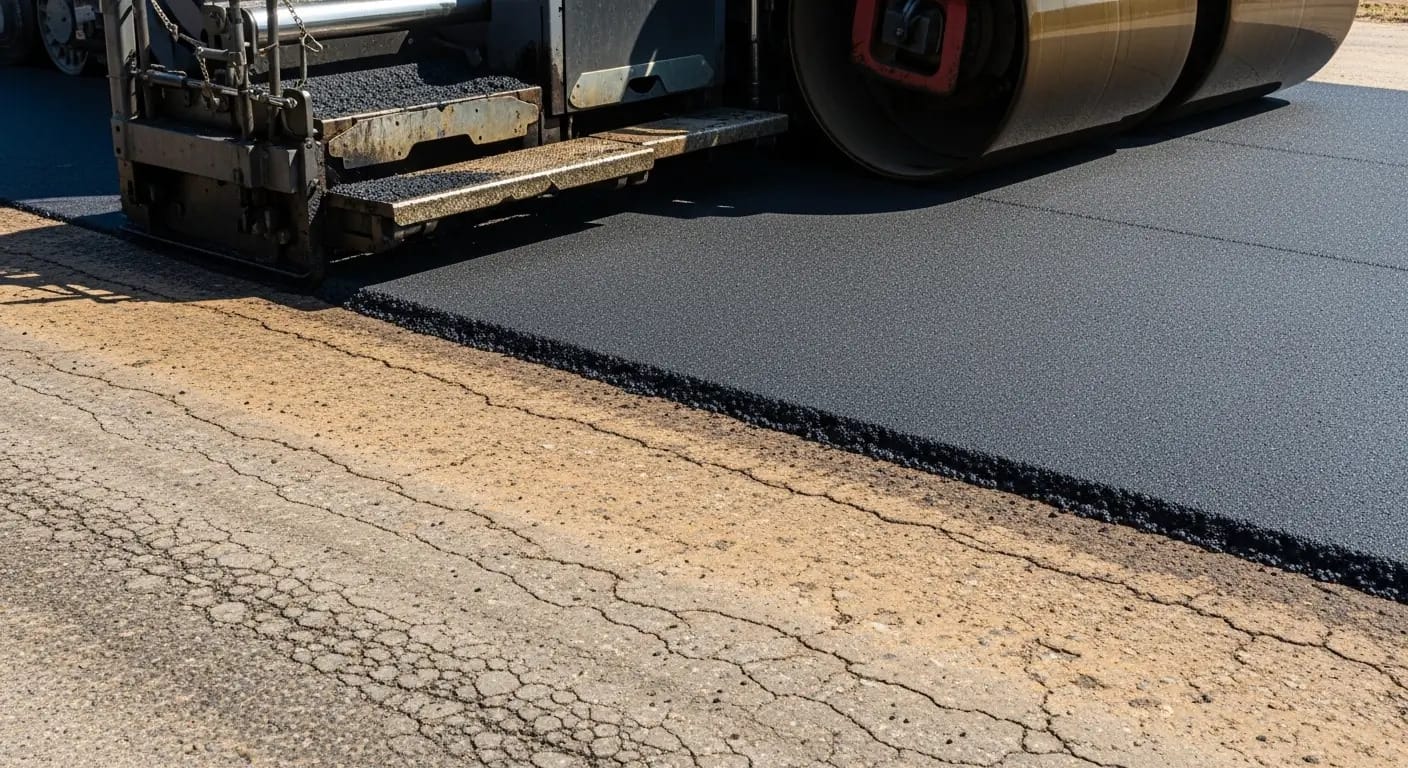
Finally, we install the new asphalt lift with a paver, not simply by hand. We adjust thickness as we go to correct minor slope issues, roll it with the right sequence of steel and rubber tired rollers, and compact joints while they are still hot. When needed, we stripe and paint markings once the new surface has cooled and cured.
Material Choices and Overlay Thickness Options
Not every asphalt overlay in Manchester should use the same mix or thickness. At Precision Asphalt Manchester, we select materials and layer depth based on how the pavement will be used.
For residential driveways, a typical resurfacing overlay is 1.5 to 2 inches of hot mix asphalt over a sound existing surface. This is enough to create a smooth driving surface, seal many smaller cracks, and restore curb appeal without creating big height changes at garage doors, steps, or aprons. When the existing driveway has noticeable waves or shallow ruts from vehicle tires, we may recommend closer to 2 inches to allow more correction.
For commercial parking lots that see delivery trucks, plows, and higher daily traffic, a 2 to 2.5 inch overlay is more common. In some high stress lanes like dumpster pads or loading zones, we may either thicken the overlay or complete full depth patching in those corridors before resurfacing. We also consider using a stiffer mix design in those areas to resist shoving and rutting.
Local DOT approved mixes are typically used so the asphalt is compatible with state and municipal work around Manchester. Where appropriate, we can incorporate reclaimed asphalt pavement (RAP) in the mix for cost efficiency, but we balance that with performance so you are not trading short term savings for premature cracking.
How Manchester Weather and Site Conditions Affect Resurfacing
Resurfacing in Manchester has its own challenges because of weather and local soils. Winters bring repeated freeze thaw cycles and heavy salting, while springs can leave the ground soft and saturated. Precision Asphalt Manchester builds these realities into every overlay project.
We schedule resurfacing during weather windows when daytime temperatures and pavement temperatures support proper compaction and bonding. Laying an overlay when the surface is too cold can trap moisture, weaken the bond to the tack coat, and lead to premature raveling. We use infrared thermometers to check actual pavement temperatures before we start.
Drainage is another critical factor. Many older driveways and lots in Manchester neighborhoods like the North End, West Side, and around the rivers have settled toward the center or toward buildings over time. When we overlay, we adjust slopes where possible so water flows toward yards or catch basins instead of pooling near garage doors or foundations. In some cases, a small amount of milling or base work is needed to achieve correct drainage, and we will point this out during your estimate.
Plow damage is also common here. We examine existing scrape marks and broken edges to see where we should reinforce joints or add thicker asphalt around entrances. For commercial clients, we can coordinate with your plow contractor so they understand new edge locations, curbing, and any areas that need extra care after resurfacing.
Cost Drivers for Asphalt Resurfacing in Manchester, NH
Homeowners and property managers often ask why quotes for asphalt resurfacing can vary so much. Precision Asphalt Manchester is transparent about the main cost factors so you can compare proposals fairly.
The first driver is the amount of base repair and milling required. An overlay on a fairly even surface with few structural issues is less expensive per square foot than one that needs multiple dig out patches, underdrain repairs, or extensive milling to correct elevation and slope.
The second driver is overlay thickness. More asphalt means more material cost and more compaction passes. If you are comparing bids, make sure you are looking at the same thickness, not just the total price. We clearly list planned overlay depth and where any thickness changes will be made.
Access and layout also impact cost. Tight, dead end driveways, steep slopes, and lots with many islands or small bays can take more time for paver setup and hand work. Larger, open areas are more efficient to pave and compact. Similarly, working around busy commercial operations in central Manchester may require off hour work or phasing, which can slightly increase labor cost.
Finally, timing and scope matter. Combining multiple areas into one resurfacing project, such as a front driveway and shared private road, can lower the per square foot cost compared to paving them in separate mobilizations. During your estimate, we can break out optional sections so you can see how adding or removing areas affects price.
Common Overlay Problems and How We Prevent Them
If asphalt resurfacing is not done correctly, you can end up with reflective cracking, puddles, or peeling layers. Precision Asphalt Manchester focuses on preventing these issues from the start.
Reflective cracking occurs when cracks in the old pavement telegraph up through the new layer. To reduce this, we clean and fill significant existing cracks before we overlay, and in some cases we recommend localized fabric reinforcement or deeper patching where cracking is concentrated. We also avoid very thin overlays on heavily cracked surfaces because they tend to crack through more quickly.
Poor bonding between the old surface and the overlay can cause slipping, peeling, or delamination, especially on slopes or at stop and start zones. We control this risk by thorough cleaning, full coverage tack coat, and not paving over wet or contaminated surfaces. Our crews check the tack as it breaks (turns from brown to black) before placing new asphalt over it.
Ponding water is another frequent complaint on bad overlays. We use straightedges, levels, and experienced eye checks during paving to maintain proper crown and cross slope. Where necessary, we include spot milling or leveling courses in our proposal so you know exactly how we plan to address existing birdbaths rather than hoping they disappear under new asphalt.
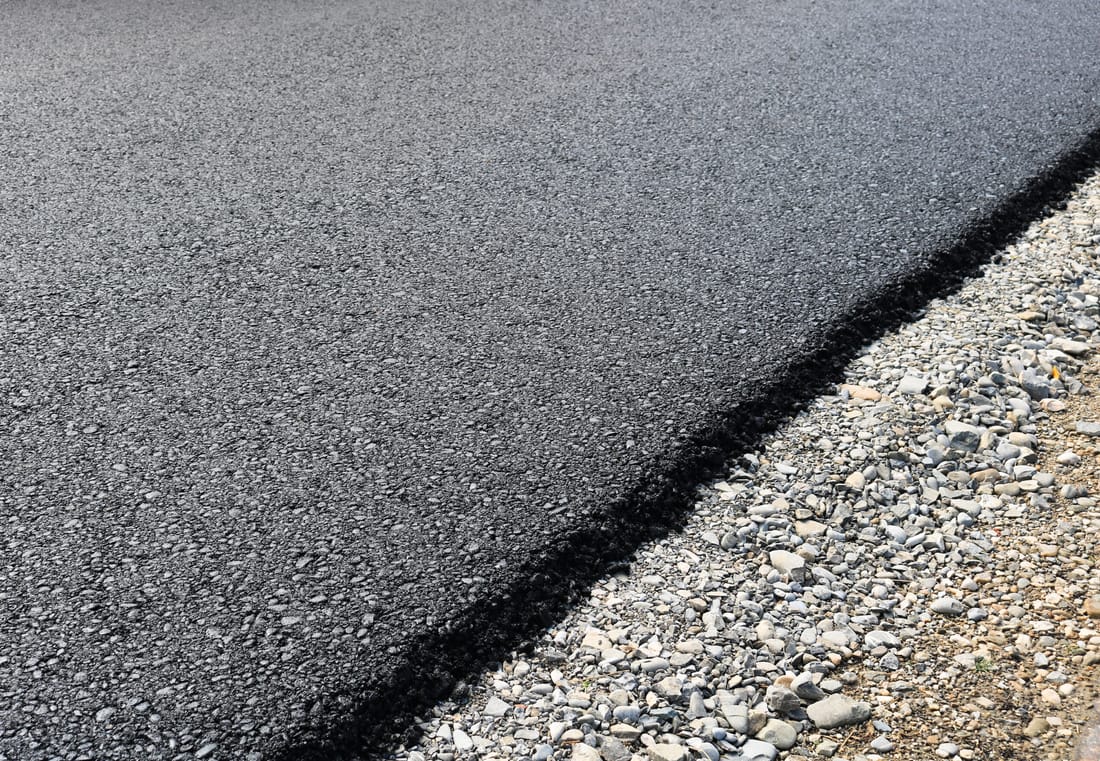
Finally, edge raveling and crumbling can occur when overlays end at unsupported edges. To avoid this, we cut clean edges where the overlay terminates, match thickness properly to adjacent surfaces, and compact edges thoroughly. For driveways that meet gravel or lawn, we can discuss adding loam or stone shoulder support once paving is complete.
What to Expect When You Hire Precision Asphalt Manchester
Knowing what to expect helps your resurfacing project go smoothly and avoids surprises. When you work with Precision Asphalt Manchester, we start with an on site visit where we measure, note drainage and traffic patterns, and discuss how you use the space throughout the year. You will receive a written proposal that outlines overlay thickness, repair locations, and any recommended options.
Before work begins, we provide a clear schedule and preparation list. For residential clients, this typically includes moving vehicles, trailers, and portable basketball hoops, trimming low branches that might interfere with equipment, and turning off irrigation. For commercial properties, we can help plan temporary parking, signage, and phasing so your business remains accessible.
On paving day, our crew handles surface prep, milling or patching, tack application, and overlay installation in one coordinated sequence. We keep you updated as we go, especially when we uncover hidden conditions like soft base pockets that are best repaired on the spot. After paving, we will review the completed work with you, explain cure times, and give you guidelines for when to drive, park, and plow on the new surface.
Most overlays in Manchester can be driven on within 24 hours under normal weather, though we may recommend waiting a bit longer before parking heavy vehicles in the same spot. We also provide guidance on sealing schedules so you know when and how to protect your investment without prematurely sealing fresh asphalt.