Home › Gravel-to-Asphalt Conversions
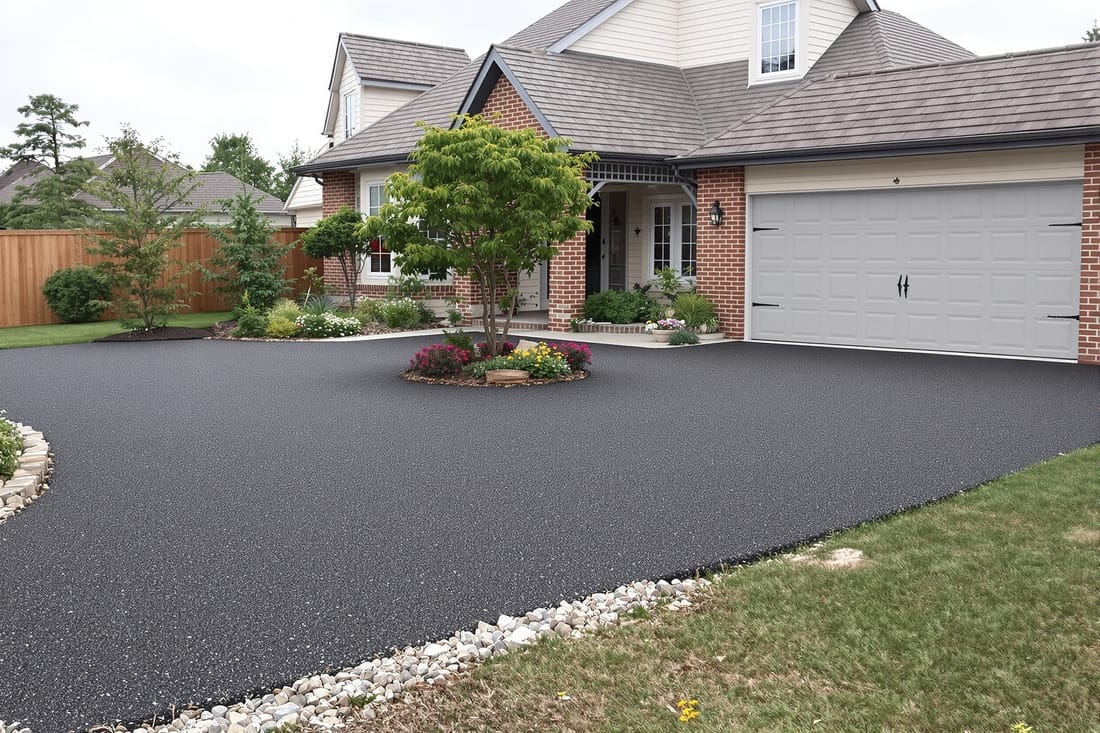
Tired of mud and dust from your gravel drive. Our gravel to asphalt driveway conversions in Manchester, NH turn loose stone surfaces into clean, solid asphalt with a graded base, strong compaction, and neat edges so you can drive and walk without ruts or washouts.
Precision Asphalt Manchester provides professional gravel to asphalt driveway throughout Manchester, NH, NH and the surrounding area. Our licensed, insured crew delivers safe, clean, on-time work with a free estimate before anything begins. Call (603) 633-5822 or request your free quote.
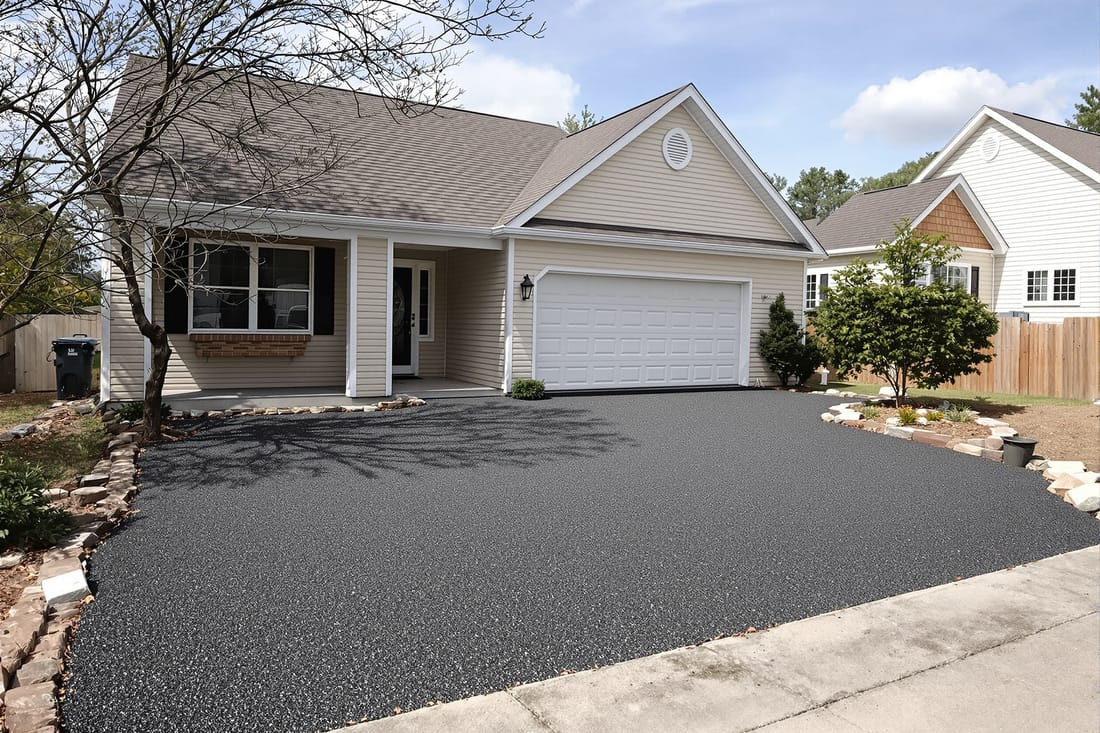
Gravel-to-Asphalt Driveways in Manchester, NH
A gravel to asphalt driveway conversion is more than just putting blacktop over stone. In New Hampshire, and especially around Manchester where we see freeze-thaw cycles, heavy plow use, and sanded winter roads, the preparation under the asphalt is what determines how long your driveway lasts. Precision Asphalt Manchester focuses on building a base that matches your soil, traffic, and drainage, not just the surface you see.
We start by evaluating your current gravel driveway: how thick the existing base really is, where water collects, how soft the subsoil feels under equipment, and how the driveway ties into the street and garage. Many Manchester properties have older gravel drives that were never compacted properly, so simply paving over them would lead to rutting and cracks within a couple of winters. Our goal is to correct those issues before we install asphalt so you end up with a driveway that survives New Hampshire winters instead of one that looks good for only a season or two.
Site Evaluation and Planning for Manchester Properties
Before any conversion work begins, a Precision Asphalt Manchester estimator walks the entire driveway with you. We look for soft spots, potholes that keep coming back, washout areas after storms, and signs that spring thaw leaves the driveway soft or muddy. In parts of Manchester with clay-heavy soils, we pay special attention to how the driveway behaves in March and April, because that is when weak bases reveal themselves.
We also check grades and slopes so that water runs off the new asphalt instead of toward your house, garage, or walkway. If your existing gravel driveway is flat or slopes toward a building, we may recommend regrading or adding shallow swales or a culvert at the roadside. On tight city lots, we plan how to handle water at the end of the driveway so it does not pool at the sidewalk or freeze into a sheet of ice in winter. This planning step allows us to give you a realistic price, timeline, and cross-section of the driveway structure, not just a guess per square foot.
Base Reconstruction: The Step That Makes or Breaks Your Driveway
For a gravel to asphalt driveway conversion, the base is the most important and most overlooked part. Precision Asphalt Manchester typically removes or reshapes the existing gravel, then rebuilds the base to a target thickness that suits your use. For light residential traffic with cars and small SUVs, that may mean 4 to 6 inches of compacted crushed gravel. For heavier use, such as work trucks or trailers, we often increase that to 8 inches or more.
We use well-graded crushed gravel (not round stone) so it locks together under compaction. The crew spreads the stone in layers, usually 2 to 3 inches at a time, then uses a vibratory roller to compact it until it is tight and stable. In areas of Manchester where the subsoil is soft or holds water, we may use a geotextile fabric between the native soil and the gravel base to keep the stone from pumping down into the mud over time. If you have chronic soft spots, we will dig those out, widen the footprint of the base, and sometimes use a coarser sub-base stone underneath the finer top base material.
This level of detail in base reconstruction is what prevents wheel depressions and frost heave from breaking up your new asphalt surface.
Asphalt Installation: Thickness, Mix Types, and Edges
Once the base is shaped and passes our compaction tests, Precision Asphalt Manchester installs the asphalt. For most residential gravel to asphalt driveway conversions in Manchester, we recommend a minimum of 2.5 to 3 inches of hot mix asphalt after compaction. That is usually installed as a single course for standard driveways, but for heavier traffic or steep slopes we may install a binder course plus a finer top course.
We work with New Hampshire-approved asphalt mixes that handle freeze-thaw cycles and winter plowing. If you are hard on your driveway with frequent turning of tires in one spot, we can recommend a slightly coarser surface mix that stands up better to scuffing. Along the edges, we shape the asphalt with a compacted shoulder of gravel so water sheds away and the edge is supported. Where the new asphalt meets the road or an existing paved surface, we cut a clean joint, apply bonding tack coat, and compact the new asphalt so the transition is smooth and does not create a bump for snowplows.
Timing matters for asphalt installation in Manchester. We avoid conversions during periods of deep cold or extended rain, and the best window typically runs from late spring through early fall. We will schedule your project in a period that allows the asphalt to be properly compacted and to cure before high stress loads or sealing.
Drainage, Frost Heave, and Other Local Challenges
Manchester driveways deal with snow piles, plow blades, deicing salt, and water that repeatedly freezes and thaws. If drainage is not handled correctly during a gravel to asphalt driveway conversion, you can end up with persistent ice near the garage, water seeping under the edges of the pavement, or cracks that open each winter. Precision Asphalt Manchester addresses these issues in the design phase so they are not surprises later.
We may adjust the driveway crown so water runs to both sides instead of the center, or create a gentle pitch away from the house along the full length. In low spots that simply cannot be raised enough, we sometimes add a small catch basin or French drain system beside the drive and tie it into a safe discharge point. Where driveways meet city streets, we are careful to keep the final height within local norms so melting snow from the road does not sit at the end of your driveway.
To combat frost heave, we focus on getting water away from the base and using materials that drain. This might mean digging slightly deeper in a bad area to get rid of saturated soil, installing a perforated drain along a hillside edge, or choosing an open-graded base layer beneath the main gravel. These options are discussed with you in advance, including their cost impact and long-term benefit.
What Affects Cost and How We Quote Your Project
Gravel to asphalt driveway projects in Manchester vary widely in price because the real cost is driven by more than square footage. Precision Asphalt Manchester explains our pricing clearly so you understand where your money is going. The biggest variables are base work, access, grading changes, and drainage improvements.
If your existing gravel base is thin, contaminated with mud, or never compacted, we must invest more time and material into rebuilding it. Long or steep driveways may require extra equipment time and more careful compaction. Tight in-town sites where trucks and rollers have limited maneuvering room can take longer to complete than open suburban lots, which affects labor cost.
We provide written proposals that specify approximate base thickness, asphalt thickness, and any extra work such as fabric installation, drain piping, or transitions to walkways and patios. Instead of vague terms like "prep and pave," our quotes outline the actual steps we will take. That way you can compare our proposal to others on more than just the bottom line and see exactly what you are getting for your investment.
How to Prepare, What to Expect, and Aftercare
Before your scheduled start date, we ask you to clear vehicles, trailers, and movable items from the driveway and nearby work zone. If there are underground utilities like shallow irrigation lines or electric for landscape lighting near the driveway edges, let us know so we can protect them. Precision Asphalt Manchester will coordinate any required permits with the city if your driveway entrance at the street is being widened or significantly altered.
Typical residential gravel to asphalt driveway conversions take one to three days, depending on the size of the project and how much base work is required. You will see our crew strip and regrade the existing gravel, bring in new stone if needed, compact the base, then pave and roll the asphalt. We keep communication open throughout the job, and if our crew uncovers an unexpected condition, such as a hidden soft spot or buried rubble, we discuss options with you before proceeding.
After paving, we usually recommend keeping vehicles off the new surface for at least 24 to 48 hours, depending on temperature. Sharp turns in one spot should be minimized for the first couple of weeks while the asphalt continues to cure. In Manchester’s climate, sealing is typically recommended after the first year, not immediately, so the asphalt can fully oxidize and tighten. We will leave you with specific care instructions that match your driveway’s design, traffic level, and exposure to sun and shade.